


The Importance of Play Schools: Nurturing Early Childhood Development
Early childhood is a critical stage in a child’s life, laying the foundation for their future development. Among the various educational options available to parents, play schools have emerged as a popular choice. These institutions play a vital role in shaping a child’s cognitive, emotional, and social skills through structured play and interactive learning experiences. In this blog post, we will explore the importance of play schools in nurturing early childhood development and how they contribute to a child’s holistic growth.
What is a Play School?
A play school is an early childhood education center that focuses on learning through play. It is typically for children between the ages of 2 and 5, providing an environment where kids can engage in educational activities while having fun. The primary objective of play schools is not to emphasize formal education, but rather to foster learning through creative play, social interaction, and exploration.
Key Benefits of Play Schools in Early Childhood Development
- Cognitive Development
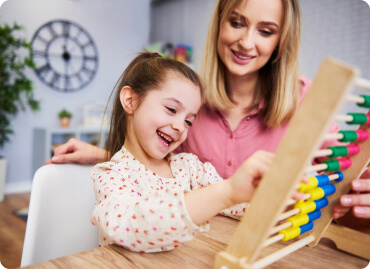
One of the most significant benefits of play schools is their impact on cognitive development. Through activities such as puzzles, games, storytelling, and arts and crafts, children develop critical thinking skills, problem-solving abilities, and creativity. Play schools often use hands-on learning techniques, which help children to retain knowledge more effectively by engaging their senses and imagination.
- Social and Emotional Growth
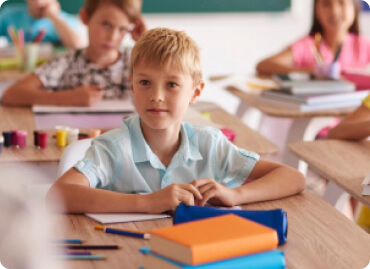
At play school, children interact with their peers in a structured yet playful environment. This social interaction is vital for developing empathy, cooperation, and conflict-resolution skills. Kids learn how to share, take turns, and work in teams—important lessons that help them navigate social situations later in life.
Moreover, play schools offer a nurturing environment where children feel safe and supported. This fosters emotional development, boosting their confidence and self-esteem. Teachers in play schools are trained to provide individualized attention to each child, ensuring that they feel valued and understood.
- Language Skills
Language development is a major focus in play schools. Through storytelling, songs, rhymes, and group discussions, children enhance their vocabulary, pronunciation, and communication skills. Play schools create an immersive environment where children are constantly exposed to new words and phrases, encouraging them to express themselves both verbally and non-verbally.
- Physical Development
Play schools incorporate a variety of physical activities into their daily routine. These activities help children develop motor skills, coordination, and physical strength. Whether it’s running, jumping, climbing, or playing with toys that require dexterity, children improve both fine and gross motor skills. Physical play also promotes health, stamina, and well-being, ensuring that children develop physically alongside their cognitive and emotional growth.
- Independence and Responsibility
As children grow, they need to develop a sense of independence. Play schools provide an excellent platform for children to practice making decisions on their own, following routines, and taking responsibility for their actions. Whether it’s packing away their toys, following instructions, or managing their own personal space, play schools encourage children to be self-sufficient, building their confidence in the process.
Why Parents Should Choose Play Schools for Their Children
- Safe and Stimulating Environment
Play schools offer a safe, supportive, and stimulating environment for children to explore, learn, and grow. This controlled space allows children to engage in age-appropriate activities under the supervision of trained professionals who understand child development. - Holistic Development
Rather than focusing purely on academic skills, play schools nurture the whole child—cognitively, emotionally, physically, and socially. This holistic approach ensures that children are well-prepared for future schooling and life challenges. - Structured Yet Flexible Learning
Play schools offer a balanced curriculum where children can enjoy free play while also participating in guided activities. This flexible approach to learning allows children to explore their interests while building essential skills for their future. - Preparation for Primary School
Though play schools are not formal schools, they provide a foundation for primary education. Children learn the basics of reading, writing, and arithmetic in a relaxed, enjoyable manner, preparing them for the more structured environment of primary school.
How to Choose the Right Play School for Your Child
When selecting a play school, there are several factors parents should consider:
- Curriculum: Ensure the school follows a play-based curriculum that fosters creativity and critical thinking.
- Trained Teachers: Teachers should have experience in early childhood education and be adept at managing the needs of young children.
- Facilities: The school should have safe, clean, and well-equipped facilities that promote play and learning.
- Environment: Look for a school that offers a warm and welcoming atmosphere where children feel safe and happy.
- Parental Involvement: A good play school encourages parental involvement and keeps parents informed about their child’s progress.
FAQs About Play Schools
- At what age can my child start attending a play school?
Most play schools accept children between the ages of 2 and 5. However, some schools may offer flexible entry points depending on the child’s development.
- How long should a child stay in a play school?
Typically, children attend play school for a few hours a day, either in the morning or afternoon. The duration of attendance may vary depending on the child’s age and the school’s program.
- Is play school necessary for my child?
While not mandatory, play school provides numerous developmental benefits that help prepare your child for later academic and social success. It helps in building essential skills that will be beneficial throughout their lives.
- How do I know if a play school is good for my child?
Look for a play school that prioritizes your child’s emotional and developmental needs. Check for certified teachers, a well-rounded curriculum, positive reviews from other parents, and a safe environment.